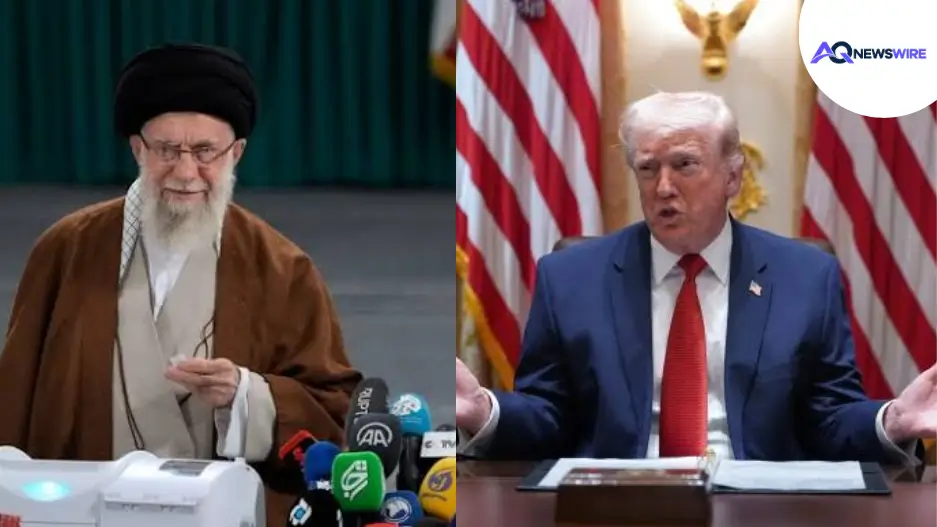
Global energy benchmarks retreated sharply at the start of the week, with crude oil diving more than 4% as signs of renewed diplomatic engagement between the United States and Iran prompted traders to unwind geopolitical risk premiums.
International benchmark Brent crude fell by $4.79, or 4.2%, settling near $108.64 a barrel, while U.S. West Texas Intermediate (WTI) sank $4.41, or 4.2%, dropping below the psychological $100 benchmark to trade around $99.71 per barrel.
The sudden pullback follows weeks of intense bullish momentum that carried Brent crude to its highest levels in six months. For weeks, market participants had braced for military escalations that threatened commercial tanker transit through the critical Strait of Hormuz.
However, reports of backchannel diplomatic negotiations brokered by Qatari mediators, combined with deliberate restraint from Washington ahead of the high-stakes U.S. midterm elections, provided energy markets with their first major cooling opportunity of the quarter.
Diplomatic Breakthrough in Doha: The Anatomy of the Sell-Off
The immediate trigger for Monday’s downward slide was news emerging from Doha, where Iranian negotiators concluded high-level talks with Qatari intermediaries regarding a diplomatic framework to wind down regional hostilities.
Diplomatic sources familiar with the discussions confirmed that a draft proposal is being circulated among key stakeholders to assess terms for a de-escalation of hostilities. Iranian Foreign Minister Abbas Araqchi stated that negotiations with Qatari mediators were constructive and progressing, emphasizing that while Tehran remains prepared for defensive measures, it remains open to diplomatic solutions.
Reports that the U.S. administration aims to give diplomatic channels additional breathing room before assessing further military steps helped spark widespread profit-taking across long commodity contracts. Market analysts noted that the absence of destructive strikes against energy assets over the weekend removed the immediate fear bid that had driven prices higher throughout October.
The sudden sentiment shift prompted hedge funds and institutional commodity desks to pare back extreme risk hedges, releasing the pricing pressure that had anchored crude well above the century mark for consecutive trading cycles.
Midterm Political Calculus and Domestic Gasoline Headwinds
The sharp retreat in crude futures arrives at a politically sensitive juncture in Washington. With voters heading to the polls for the U.S. midterm elections, consumer inflation and pump prices have dominated voter sentiment.
Energy costs have historically served as a direct political referendum on incumbent administrations. Sustained spikes in crude benchmarks directly inflate domestic retail gasoline prices, compounding broader macroeconomic pressures for consumers.
Prior to this week’s diplomatic opening, market speculation indicated that geopolitical tensions could flare up sharply following the election cycle. Energy traders had broadly priced in the risk of intensified naval maneuvers or preemptive strikes against refining centers once the political sensitivity of election day passed.
However, public messaging underscoring diplomatic avenues helped defuse fears of an immediate post-election shock. By fostering an environment where dialogue takes precedence over military retaliation, the market’s immediate anxiety has been deferred, forcing speculative positions into a swift retreat.
Supply Realities and the Strait of Hormuz Bottleneck
Despite the day’s sharp sell-off, fundamental supply-and-demand indicators highlight that global oil distribution remains structurally fragile.
The primary driver of the broader multi-month rally has been the vulnerability of maritime commerce through the Strait of Hormuz, the world’s most critical transit chokepoint through which roughly a fifth of global petroleum consumption flows.
Repeated tanker disruptions and heightened regional maritime risks throughout the year have extracted a heavy toll on commercial logistics. According to industry disclosures, including remarks from Abu Dhabi’s state energy producer ADNOC, nearly one billion barrels of crude have been drained from global commercial and strategic inventories since supply interruptions first compromised regional shipping lines.
Compounding this deficit:
Depleted Global Buffers: OECD commercial petroleum inventories continue to hover near their lowest seasonal ranges in several years, leaving refiners minimal buffer capacity against future refinery outages or transit shutdowns.
Maritime Insurance Spikes: War-risk insurance premiums for commercial tankers operating in the Persian Gulf remain elevated, continuing to add structural transport costs even during periods of diplomatic dialogue.
Resilient Export Baselines: Despite infrastructure attacks from regional proxy forces, major Gulf exporters like Saudi Arabia managed to lift crude export volumes through October, helping prevent outright physical deficits in Asian demand hubs.
OPEC+ Holds the Line Amid Macroeconomic Uncertainty
Compounding the market’s reaction to Middle Eastern diplomacy was the steady posture maintained by the OPEC+ coalition.
Over the weekend, ministerial representatives from the Organization of the Petroleum Exporting Countries and allied producers agreed to maintain existing output policy unchanged through December. The decision reflected an intentional effort to assess seasonal winter consumption trends and track actual barrel flows before altering voluntary production quotas.
By keeping supply targets flat, OPEC+ signaled that it will not artificially flood the market while geopolitical negotiations play out, but neither will it choke off barrels while consumer economies grapple with volatile borrowing costs.
At the same time, traders are closely monitoring macroeconomic signals outside the Middle East. Demand indicators across East Asian industrial corridors have shown uneven manufacturing momentum, while western central banks remain wary of lingering core inflation. The prospect of prolonged interest rate stability has dampened speculative industrial demand, creating an environment where diplomatic progress can trigger outsized downward price adjustments.
Wall Street’s Divided Horizon: Bearish Relief vs. $140 Spike Scenarios
The retreat below $100 per barrel on WTI has generated sharply divergent views among institutional investment banks regarding where energy pricing heads into the coming year.
On one side, market bears point out that if formal ceasefire or de-escalation agreements take hold, the market could rapidly shed the remainder of its war-risk premium. Some institutional desks argue that crude benchmarks could drift down toward the $80-to-$85 range as Iranian barrels enter global processing streams without threat of interception and regional transit lanes normalize.
Conversely, major investment banks warn against premature complacency. Goldman Sachs revised its long-term energy outlook upward, projecting Brent at $105 per barrel by late 2026 and warning that prices could surge to $140 per barrel by 2027 if protracted Gulf disruptions keep regional supplies roughly 3.5 million barrels per day below baseline expectations.
Analysts from the bank cautioned that while headline optimism can easily send paper futures lower in the short term, any sudden breakdown in diplomatic talks, renewed naval skirmishes, or physical damage to regional pipeline networks would immediately trigger a violent upside rebound.
Trading Dynamics: Volatility Remains the Prevailing Theme
Monday’s 4.2% drop demonstrates that crude oil remains an asset class dominated by headline risk rather than linear statistical fundamentals.
Algorithmic and quantitative trading desks have amplified these price swings. When diplomatic headlines crossed news wires during European trading hours, automatic stops were triggered across long positions, accelerating the pace of the downward cascade as traders raced to lock in gains secured during October’s multi-week surge.
The divergence between cash physical barrels and paper futures contracts is widening. While spot buyers in Europe and Asia are still paying steep differentials to guarantee prompt deliveries of light sweet crude, the paper market is pricing in an accelerated path toward diplomatic stability.
The Broader Outlook for Global Energy Markets
The steep sell-off in crude futures reflects an exhausted market searching for relief after months of relentless geopolitical escalation. The ongoing Qatari-mediated discussions have offered market participants a tangible, credible rationale to step away from panic buying and reassess real physical balances.
However, the structural fundamentals of the global petroleum system remain delicate. With depleted inventories worldwide, crucial waterways exposed to asymmetric threats, and domestic political pressures mounting across Western capitals, the energy sector has not exited the danger zone.
Whether this 4% slide marks the beginning of an enduring macroeconomic cooling trend or merely a brief dip before another geopolitical rally hinges entirely on what emerges from Doha once the ballots are counted in the United States. Until enforceable agreements are codified and signed, volatility will remain the defining feature of global crude trade.
Frequently Asked Questions
Why did crude oil prices fall by over 4% today?
Crude prices plunged after reports confirmed that Iranian and Qatari diplomats are making headway in peace talks aimed at ending the military standoff involving the United States, easing immediate fears of Middle East supply cuts.
What were the closing benchmark prices for Brent and WTI?
Brent crude fell 4.2% to trade around $108.64 per barrel, while U.S. West Texas Intermediate (WTI) declined by 4.2% to $99.71 per barrel, dropping back below the $100 mark.
How do the upcoming U.S. midterm elections affect oil pricing?
High gasoline and crude prices create political challenges for incumbent leaders. Diplomatic engagement has relieved short-term pricing pressure ahead of voting day, while investors watch closely to see if foreign policy strategies shift once the vote concludes.
What role is Qatar playing in the U.S.-Iran discussions?
Qatar is acting as the primary diplomatic mediator between Iranian negotiators and Western officials, hosting talks in Doha and facilitating the circulation of a draft peace proposal.
Why is the Strait of Hormuz so critical to oil prices?
The Strait of Hormuz is the world's most vital maritime oil transit corridor, carrying roughly 20% of global petroleum liquids. Any threat or attack on shipping in the strait instantly elevates global crude risk premiums.
How much oil inventory has been depleted due to Middle East tensions?
Industry leadership, including ADNOC’s chief executive, reported that nearly one billion barrels have been pulled from global stockpiles since maritime shipping disruptions started in the region.
What was the outcome of the recent OPEC+ meeting?
OPEC+ decided to keep its existing crude production targets steady through December, maintaining stability while monitoring evolving geopolitical conditions and seasonal consumption.
What is Goldman Sachs’ long-term forecast for crude oil?
Goldman Sachs warned that Brent crude could reach $140 per barrel by 2027 if regional output remains 3.5 million barrels per day below 2025 baselines, though prices could moderate if lasting diplomatic accords are enacted.
Are physical oil supplies actually increasing right now?
Certain regional producers, including Saudi Arabia, reported higher export volumes in October despite local security concerns, helping to offset regional distribution bottlenecks.
Could oil prices rebound quickly after this dip?
Yes. If negotiations stall or if new attacks target tankers or energy infrastructure, analysts expect geopolitical risk premiums to return rapidly, pushing crude back upward.